The Several Uses of Aluminum Castings: A Comprehensive Guide for Market Professionals
Light weight aluminum spreadings play a crucial duty throughout numerous markets, thanks to their distinct residential properties. These resilient and light-weight parts are vital in auto and aerospace applications. Recognizing their benefits and the manufacturing procedures included can greatly impact efficiency and effectiveness. As technology advancements, brand-new advancements remain to emerge. Sector specialists must take into consideration these aspects to make enlightened choices. The effects of these growths deserve exploring further.
Benefits of Light Weight Aluminum Castings in Different Industries
Aluminum castings use many benefits throughout different sectors, making them a favored selection for several applications. Among the key benefits is their light-weight nature, which adds to total power effectiveness in transportation and equipment. This reduced weight also enhances simplicity of managing and setup, resulting in lower labor costs.
In addition, aluminum castings exhibit superb corrosion resistance, prolonging the lifespan of parts in rough atmospheres. Their thermal and electric conductivity permits effective heat dissipation and effective electric applications.
In addition, light weight aluminum can be conveniently alloyed and manipulated, allowing the development of complex shapes and styles that satisfy particular engineering needs. This flexibility supports innovation in markets such as automobile, aerospace, and customer goods.
Finally, the recyclability of aluminum lines up with lasting methods, making it an eco-friendly option for contemporary production. Generally, the benefits of light weight aluminum castings place them as essential materials in various sectors.
Key Manufacturing Processes for Aluminum Castings
A variety of manufacturing procedures are used to produce aluminum spreadings, each customized to satisfy details application needs and manufacturing volumes. Among the most common approaches are sand casting, die spreading, and investment spreading.
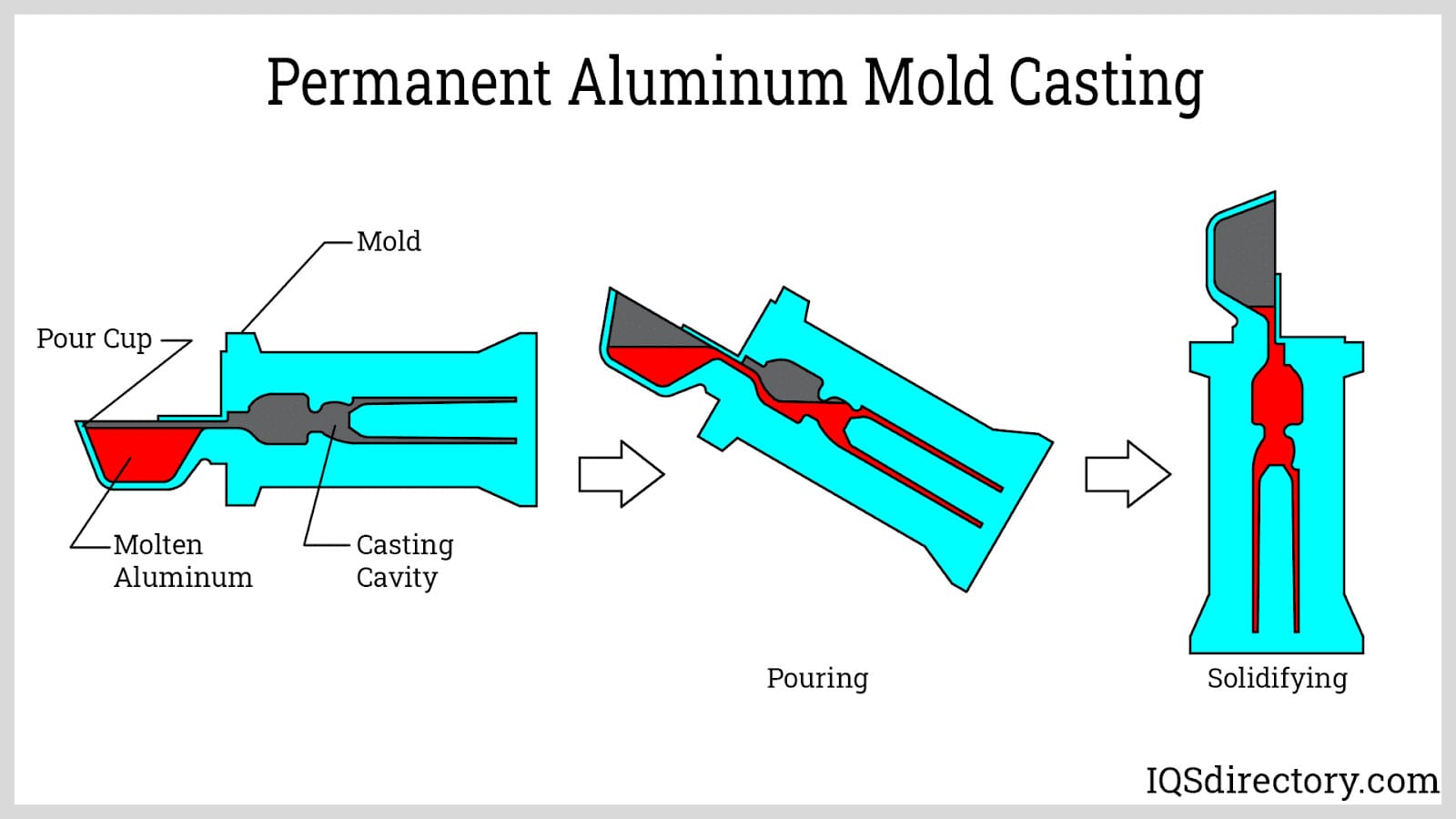
Investment spreading, likewise understood as lost-wax spreading, offers outstanding surface area finishes and complex details, usually utilized for smaller, precision components. Additionally, gravity spreading makes use of the force of gravity to load mold and mildews, suitable for bigger spreadings where accuracy is less critical. Each procedure has its benefits, accommodating diverse industrial demands while making the most of effectiveness and high quality in light weight aluminum spreading production.
Applications of Aluminum Castings in Automotive and Aerospace
In numerous applications within the vehicle and aerospace markets, light weight aluminum spreadings play an essential function as a result of their light-weight residential or commercial properties and superb strength-to-weight ratio. In the vehicle sector, elements such as engine blocks, transmission cases, and wheel rims are usually produced using aluminum spreadings. These parts gain from lowered weight, leading to enhanced fuel performance and enhanced performance.
In aerospace, light weight aluminum castings are essential for structural parts, consisting of aircraft structures, landing gear, and engine housings. The material's resistance to deterioration and ability to stand up to high temperature levels make it optimal for these demanding applications. Additionally, light weight aluminum castings facilitate intricate geometries, allowing the design of intricate components that contribute to overall airplane efficiency.
Developments and Improvements in Aluminum Casting Modern Technology
As industries continue to evolve, technologies in aluminum spreading modern technology are driving substantial renovations in efficiency and efficiency. Advanced techniques such as 3D printing and spreading simulation software have actually transformed traditional practices, allowing for more specific styles and reduced waste. These technologies allow manufacturers to create complicated geometries that were formerly unattainable, boosting the flexibility of light weight aluminum castings.
Additionally, the development of new alloy compositions and therapy techniques has improved mechanical homes, making castings lighter yet more powerful. Automated processes are also being incorporated, reducing human mistake and enhancing production speed.
Finest Practices for Choosing and Using Light weight aluminum Castings
When utilizing and choosing light weight aluminum spreadings, careful consideration of specific requirements can significantly impact the end product's performance and longevity. Sector experts ought to evaluate the particular application needs, including load-bearing capacities, rust resistance, and thermal conductivity. Picking the appropriate alloy is vital, as different alloys supply varying attributes and strengths.
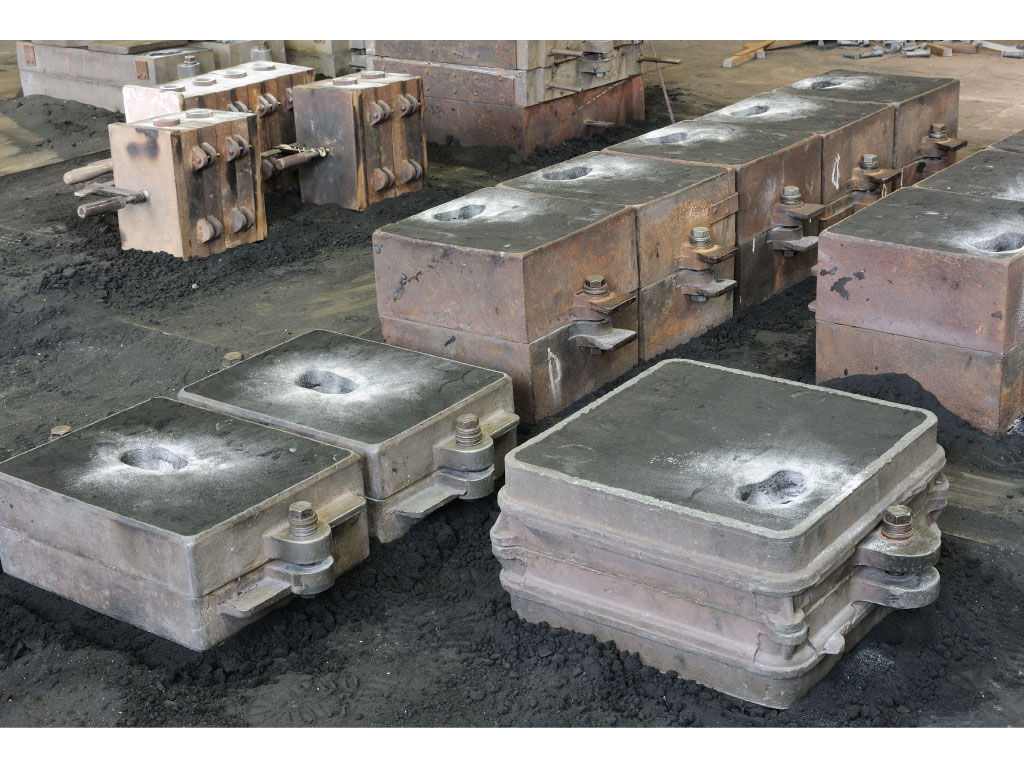
Furthermore, comprehending the casting procedure-- whether sand spreading, die casting, or investment casting-- will certainly influence the last product's top quality and cost-effectiveness. Quality guarantee actions, such as non-destructive screening and dimensional inspections, are important to guarantee that the castings satisfy sector criteria.
Proper handling and storage of light weight aluminum spreadings can protect against damage, ensuring peak efficiency. Finally, collaborating with trusted suppliers who focus on look here top quality control can improve the dependability of the ended up parts. By sticking to these ideal techniques, market specialists can take full advantage of the advantages of aluminum castings in their applications.
Regularly Asked Questions
What Are the Ecological Effects of Aluminum Casting Manufacturing?
Aluminum spreading manufacturing can lead to substantial ecological impacts, including greenhouse gas emissions, energy intake, and source depletion. In addition, inappropriate waste administration might result in dirt and water contamination, affecting neighborhood ecosystems and areas.
Exactly How Do Aluminum Castings Compare to Other Steel Castings?
Light weight aluminum spreadings are lighter and corrosion-resistant contrasted to various other steel castings like iron or steel. They use remarkable thermal and electrical conductivity, making them optimal for applications where weight and toughness are essential elements.
What Is the Price Distinction In Between Aluminum and Other Products?
The cost of light weight aluminum castings commonly varies from moderate to high, usually more budget friendly than stainless-steel yet more click this expensive than some plastic choices. Aluminum Castings. Elements such as manufacturing intricacy, volume, and material specs considerably influence overall prices
Can Light Weight Aluminum Castings Be Reused?
Aluminum castings can undoubtedly be recycled. This process significantly decreases energy intake and ecological influence compared to creating brand-new aluminum, making recycling a vital method in promoting sustainability and resource conservation within different industries.
What Safety Procedures Should Be Taken Throughout Aluminum Casting Processes?
Throughout aluminum spreading procedures, crucial precaution include wearing protective equipment, making sure correct ventilation, utilizing heat-resistant tools, preserving tools, and following safety and security methods to avoid exposure to hazardous products and lower the threat of accidents. (Wisconsin Aluminum Foundry)
Sand casting entails creating a mold from sand, investigate this site allowing for intricate forms and large spreadings. Investment spreading, additionally recognized as lost-wax spreading, supplies remarkable surface coatings and elaborate details, commonly utilized for smaller, accuracy components. In addition, gravity spreading utilizes the pressure of gravity to fill molds, suitable for bigger castings where accuracy is less important. Furthermore, comprehending the casting process-- whether sand spreading, die casting, or investment casting-- will certainly influence the last item's high quality and cost-effectiveness. Light weight aluminum castings are lighter and corrosion-resistant contrasted to various other steel spreadings like iron or steel.
Comments on “The impact of Aluminum Foundry technology in industrial production”